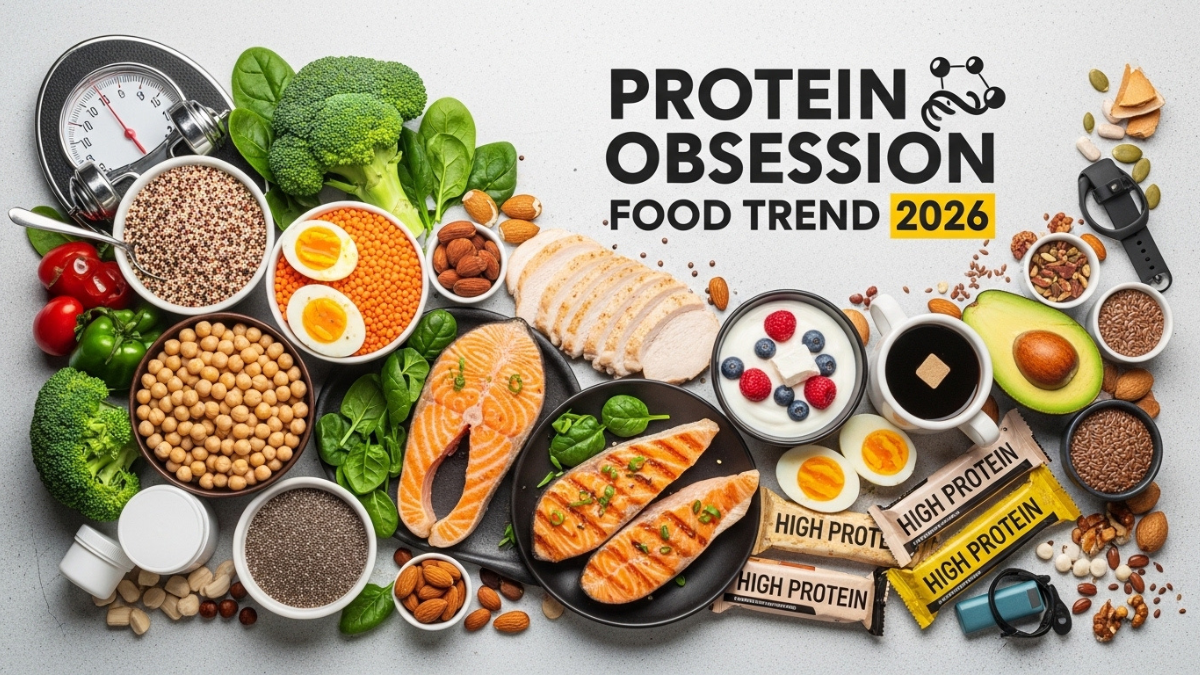
Walk into any supermarket, café, or fitness store today, and one thing becomes immediately clear—protein is everywhere. From protein coffee and protein ice cream to high-protein snacks, breads, and even desserts, food choices are increasingly being marketed around one nutrient. This growing protein obsession food trend has become one of the strongest lifestyle shifts in 2026, influencing how people shop, eat, and even judge healthy food.
The rise of the protein obsession food trend is closely connected to expanding high protein diet culture and a broader health-focused eating trend across different age groups. While athletes once led protein-focused diets, now students, office workers, parents, and older adults are also prioritizing protein intake. For some, it is about fitness; for others, it is about weight management, energy, or simply following modern wellness habits.
What Is the Protein Obsession Food Trend?
The protein obsession food trend refers to the growing habit of choosing foods mainly based on protein content rather than overall nutritional balance. People are actively looking for “high protein” labels on everyday products, often treating protein as the main sign of healthy eating.
This reflects the rise of high protein diet culture, where protein is associated with strength, fitness, weight loss, and better health. Instead of only focusing on calories or fat content, many consumers now check protein grams first when buying meals or snacks.
This modern eating trend is driven by both health awareness and strong marketing. Social media, fitness influencers, and food brands all contribute to the idea that more protein automatically means better nutrition. As a result, the protein obsession food trend has moved far beyond gyms and into daily household routines.
Why High Protein Diet Culture Is Growing
There are several reasons behind the rapid growth of high protein diet culture. One major reason is the increasing focus on fitness and body composition. Protein is widely associated with muscle recovery, appetite control, and longer-lasting fullness.
Other major reasons include:
- Social media fitness influence
- Weight loss and fat management goals
- Better awareness of balanced nutrition
- Convenience of ready-made protein foods
- Marketing by health and food brands
- Fear of unhealthy processed carbohydrates
This widespread eating trend also reflects changing priorities around health. People want foods that feel functional, not just filling. That is why the protein obsession food trend has become popular even among people who do not actively exercise.
Common Foods Driving the Trend
The modern protein obsession food trend includes both natural protein sources and heavily marketed packaged products. Many people are now choosing foods based on protein labels rather than traditional meal planning.
Common examples include:
- Greek yogurt and protein yogurt
- Protein bars and shakes
- Eggs and paneer-based meals
- Chicken wraps and grilled snacks
- High-protein oats and cereals
- Protein ice cream and desserts
This strong high protein diet culture is changing regular grocery shopping. Even cafés and restaurants are adjusting menus to fit this eating trend, offering “protein bowls” and “fitness meals” as standard options.
Healthy Protein Focus vs Protein Obsession
There is an important difference between balanced nutrition and unhealthy fixation. Not every high-protein choice is automatically better, and excessive focus can sometimes create unrealistic food expectations.
Here is a simple comparison table:
| Balanced Protein Intake | Protein Obsession Food Trend |
|---|---|
| Protein as part of balanced meals | Protein as the only focus |
| Whole foods prioritized | Label marketing prioritized |
| Flexible healthy eating | Strict food guilt around low protein |
| Nutrition balance matters | Protein grams dominate decisions |
| Sustainable habits | Extreme short-term dieting |
This table shows why understanding the protein obsession food trend matters. Healthy high protein diet culture supports wellness, but obsession can turn food into stress rather than nourishment.
How This Eating Trend Affects Daily Life
The current eating trend around protein has changed how people think about meals. Breakfast is no longer just tea and toast—it may now include protein oats, eggs, or shakes. Snacks are judged by protein content instead of taste alone.
For some people, this creates healthier awareness and better food planning. For others, it creates pressure and unnecessary guilt around normal eating habits. The protein obsession food trend can sometimes make simple foods feel “bad” if they are not high in protein, even when they are still part of a balanced diet.
This is where high protein diet culture becomes emotionally complicated. Food choices should support health, not create anxiety. The goal is nutritional awareness, not constant obsession.
Risks of Following Protein Trends Blindly
While protein is important, following the protein obsession food trend without understanding personal needs can create problems. Too much focus on packaged protein products may increase sugar intake, processed food consumption, or unnecessary supplement dependence.
Common concerns include:
- Ignoring fiber and other nutrients
- Overeating processed protein snacks
- Unnecessary supplement spending
- Digestive discomfort from excess protein
- Food guilt around normal meals
- Unrealistic body image pressure
A healthier eating trend should focus on balance rather than extremes. Strong high protein diet culture works best when it supports long-term habits instead of short-term pressure.
Conclusion
The protein obsession food trend shows how strongly health culture is shaping modern food choices in 2026. Protein has become more than a nutrient—it is now a major part of identity, fitness goals, and daily food decisions. While this awareness can improve nutrition, balance remains the most important factor.
Healthy high protein diet culture should support energy, strength, and satisfaction without turning food into constant stress. A smart eating trend focuses on overall wellness, not just numbers on a package. Protein matters, but real health still comes from variety, consistency, and sustainable habits.
FAQs
What is the protein obsession food trend?
The protein obsession food trend refers to the growing focus on choosing foods mainly based on protein content, often treating protein as the main sign of healthy eating.
Why is high protein diet culture becoming popular?
High protein diet culture is growing because people connect protein with fitness, weight management, better energy, and modern wellness goals.
Is this eating trend always healthy?
Not always. This eating trend can be healthy when balanced, but obsession with protein alone may lead to poor nutrition choices and unnecessary stress.
Are protein snacks better than regular snacks?
Some are helpful, but not all. The protein obsession food trend sometimes pushes heavily processed products that may not be healthier overall.
How much protein does a person actually need?
Protein needs depend on age, activity level, and health goals. A balanced high protein diet culture should focus on personal needs rather than social media trends alone.
Click here to know more.