Sleep has shifted from being an overlooked biological function to one of the most important pillars of modern wellness. As stress, digital overload, and irregular routines disrupt natural sleep cycles, people are turning to technology for answers. This is where sleep tracking rings are revolutionizing personal health monitoring. Unlike bulky watches or chest straps, these compact wellness devices offer powerful insights in a discreet, comfortable form. As part of the rapidly evolving wearable tech industry, sleep tracking rings are redefining how people understand their bodies, recovery patterns, and overall well-being. These rings are no longer experimental gadgets—they are becoming everyday health companions.
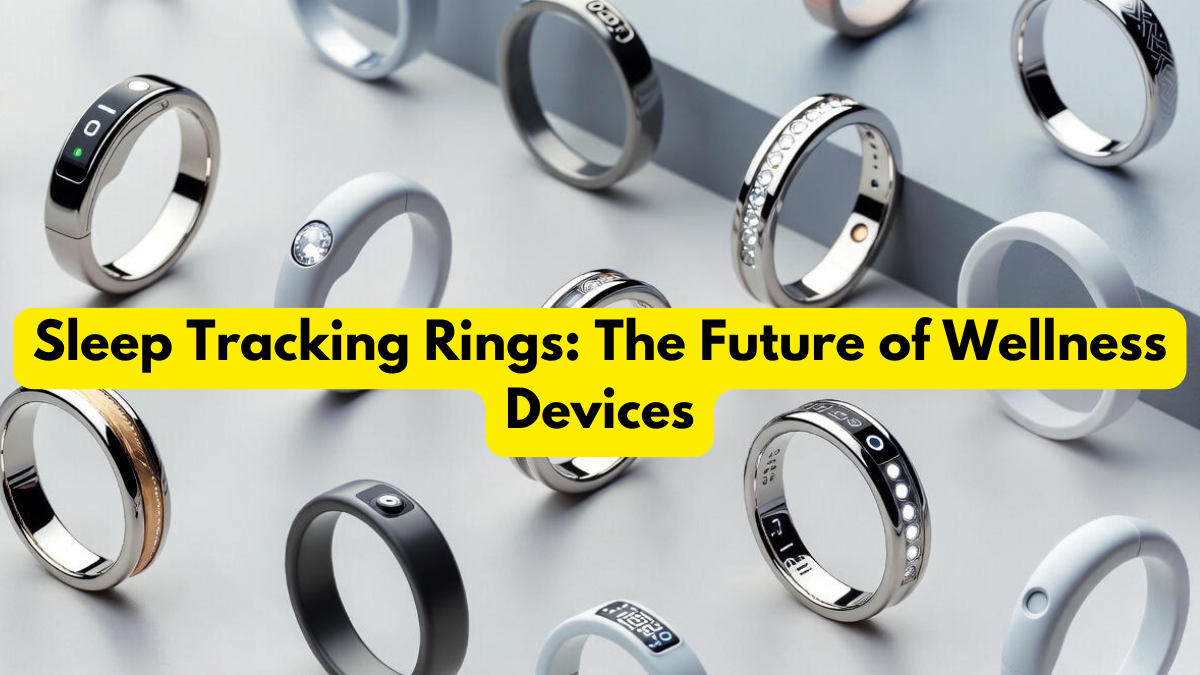
What Are Sleep Tracking Rings and How They Work
Sleep tracking rings are lightweight, sensor-based rings worn on the finger during sleep and throughout the day. Despite their small size, they are packed with advanced sensors that track heart rate, blood oxygen levels, skin temperature, movement, and sleep stages. All this data is processed through algorithms that analyze sleep quality, duration, and recovery cycles. Compared to many traditional wearable tech devices, rings hold a unique advantage because the finger provides highly accurate biometric readings.
Unlike wrist-based trackers that can feel restrictive or cause discomfort during sleep, sleep tracking rings are designed for uninterrupted wear. This allows long-term data collection without affecting sleep behavior. Many users describe them as “invisible wellness devices” because once worn, they almost disappear from awareness. This seamless integration into daily life is one of the strongest reasons sleep tracking rings are becoming a leading innovation within wearable tech.
Why Wearable Tech Is Shifting Toward Rings
The wearable tech industry has long focused on watches, bands, and chest-mounted sensors. However, these formats often struggle with comfort, battery efficiency, and continuous use. Users frequently remove watches at night or forget to recharge them. sleep tracking rings solve these issues by offering multi-day battery life, consistent 24-hour wearability, and minimal intrusion into daily routines.
People want health data without the feeling of being constantly monitored by a bulky device. This preference is reshaping wearable tech design toward smaller, more personal formats. Sleep tracking rings deliver this evolution perfectly. They feel more like jewelry than equipment, making them socially acceptable, stylish, and psychologically non-invasive. This subtle integration encourages consistent health tracking, which is critical for accurate long-term wellness insights.
What Sleep Tracking Rings Measure and Why It Matters
The true power of sleep tracking rings lies in the depth of data they capture. These devices go beyond simply counting hours of sleep—they provide detailed insights into how the body recovers each night.
Here is a breakdown of key health metrics tracked by sleep tracking rings:
| Health Metric | What It Measures | Wellness Benefit | Role in Wearable Tech |
|---|---|---|---|
| Sleep stages | Light, deep, and REM sleep | Improves sleep quality analysis | Advanced sleep tracking |
| Heart rate variability | Body’s stress and recovery balance | Supports recovery and readiness | High-level biometric insight |
| Blood oxygen levels | Oxygen efficiency during sleep | Detects breathing irregularities | Medical-grade tracking |
| Skin temperature | Body temperature fluctuations | Signals illness or recovery states | Preventive health monitoring |
| Movement tracking | Body restlessness and sleep disruptions | Identifies sleep disorders | Diagnostic use |
This table highlights how sleep tracking rings are not just stopwatches for sleep—they are full-scale health diagnostic tools within modern wearable tech ecosystems.
The Impact of Sleep Tracking Rings on Daily Wellness
The real transformation happens when people begin acting on the data collected by sleep tracking rings. Instead of guessing why they feel tired, unmotivated, or mentally foggy, users now see clear patterns linking sleep quality to mood, performance, exercise recovery, caffeine intake, and stress levels. This awareness empowers behavior change.
For example, users often adjust bedtime routines, reduce late-night screen exposure, improve hydration, or modify workout timing after reviewing their sleep reports. wearable tech is no longer passive—it actively reshapes lifestyle decisions. Sleep tracking rings help users understand that sleep is not just about duration, but about depth, rhythm, and recovery balance. Over time, even small habit changes based on ring feedback can significantly improve mental focus, emotional stability, immunity strength, and physical stamina.
Sleep Tracking Rings and Preventive Health
One of the most promising applications of sleep tracking rings is in preventive healthcare. Subtle changes in heart rate variability, oxygen levels, or temperature can indicate early signs of illness, inflammation, or hormonal imbalance—often before symptoms appear. This allows users to rest earlier, seek medical guidance sooner, or adjust physical activity to avoid burnout.
Within the broader wearable tech landscape, this shift from reactive to predictive health monitoring is groundbreaking. Instead of waiting for exhaustion or disease to manifest, users detect health risks quietly in the background through nightly data. Sleep tracking rings are now being used by athletes to prevent overtraining, by professionals to avoid burnout, and by individuals to manage chronic fatigue, sleep apnea risk, and stress disorders. This silent early-warning function is quickly becoming one of the most valuable features of modern wearable tech.
How Sleep Tracking Rings Support Mental and Emotional Health
Sleep quality directly affects emotional regulation, stress tolerance, and decision-making. Poor sleep amplifies anxiety, impulsivity, emotional instability, and concentration problems. By giving users objective insight into nightly recovery, sleep tracking rings help them understand why particular days feel emotionally heavy or mentally sharp.
As part of wearable tech, these rings help remove emotional guesswork. Instead of blaming mood shifts on personality or life circumstances alone, users see physiological patterns driving emotional experiences. Over time, this builds self-compassion and emotional intelligence. People become less self-critical and more proactive about care, rest, and workload balance. This emotional clarity is one of the most underestimated benefits of sleep tracking rings.
The Role of Sleep Tracking Rings in Fitness and Performance
Athletes, gym-goers, and fitness enthusiasts are among the biggest adopters of sleep tracking rings. These users understand that recovery matters just as much as training. The rings measure readiness scores based on sleep quality, heart rate variability, and resting heart rate, helping users decide when to push hard or when to rest.
This intelligent guidance is reshaping fitness culture inside the wearable tech ecosystem. Instead of blindly following rigid workout schedules, users now train based on biological readiness. This reduces injury risk, enhances muscle growth, improves endurance, and prevents chronic fatigue. Sleep tracking rings help shift fitness from aggression to precision, leading to better long-term performance.
Limitations and Challenges of Sleep Tracking Rings
Despite their powerful capabilities, sleep tracking rings are not without limitations. They do not replace medical sleep studies for diagnosing complex disorders. External variables like poor ring fit, extreme temperature changes, or irregular schedules can influence data accuracy. Some users may also feel overwhelmed by constant health data if not guided properly.
Within the broader wearable tech landscape, data privacy is another concern. Biometric information is highly sensitive, and users must trust platforms to secure their data properly. Ethical data use and transparent storage policies remain ongoing challenges. However, as wearable tech regulations mature, these issues are receiving increasing industry and legal attention.
The Future of Sleep Tracking Rings and Wearable Tech
The future of sleep tracking rings is tightly connected to the evolution of wearable tech as a whole. Emerging innovations may include AI-driven sleep coaching, hormonal rhythm tracking, emotion recognition, early disease detection, and real-time recovery optimization. Future rings could adapt their recommendations automatically based on lifestyle changes, menstrual cycles, seasonal shifts, and stress patterns.
Healthcare systems may soon integrate sleep tracking rings into digital medical records for continuous wellness monitoring. Employers may use opt-in wellness programs powered by wearable tech to support employee recovery. As technology grows more precise, sleep tracking rings will likely become as common as smartwatches—if not more so—due to their comfort and advanced health insights.
Conclusion
sleep tracking rings represent one of the most important breakthroughs in modern wearable tech. By combining medical-grade sensors with everyday comfort, these devices allow people to understand their sleep, recovery, and health with unprecedented clarity. They empower users to improve habits, protect long-term wellness, enhance performance, and manage stress with scientific precision. As society becomes more health-conscious and data-driven, sleep tracking rings are emerging not merely as gadgets, but as personal health partners that quietly work every night to support a healthier life.
FAQs
What are sleep tracking rings used for?
Sleep tracking rings are used to monitor sleep quality, recovery, heart rate, oxygen levels, and overall wellness through advanced biometric sensors.
How are sleep tracking rings different from smartwatches?
Sleep tracking rings are smaller, more comfortable for continuous wear, offer longer battery life, and provide highly accurate sleep data compared to most wrist-based wearable tech.
Are sleep tracking rings medical devices?
Most sleep tracking rings are wellness devices and not full medical diagnostic tools, but they offer highly valuable preventive health insights.
Can sleep tracking rings really improve sleep quality?
Yes, by revealing sleep patterns and recovery trends, sleep tracking rings help users adjust habits and significantly improve long-term sleep quality.
Is wearable tech like sleep tracking rings safe to use daily?
Yes, wearable tech including sleep tracking rings is designed for continuous daily use and is generally safe for long-term wellness monitoring.
Click here to know more.